
November 3rd, 2024 was the day I first stepped foot on the ancestral homeland of my mother’s people: as ilhas di Cabo Verde, the Cape Verde Islands.

As the plane landed on the runway in the capital city of Praia, I began to cry as my body felt the weightiness of what it meant to be finally touching home. I didn’t realize it until that moment, but for so long (perhaps my entire life), I’d been searching for home.

My hopes were made real when I was met with an immediate sense of belonging as I walked through the line at customs in the airport in Praia. The migration officer automatically assumed I was a Cape Verdean citizen and directed me towards the national citizens line despite me repeatedly trying to explain to him that though I was of Cape Verdean descent, I did not have a Cape Verdean passport. He simply looked at my face and said, “You, my dear, are one of us.” Okay, okay he didn’t actually say those words, but his constant insistence on putting me in the Cabo Verde line felt like the same thing to me 🙂

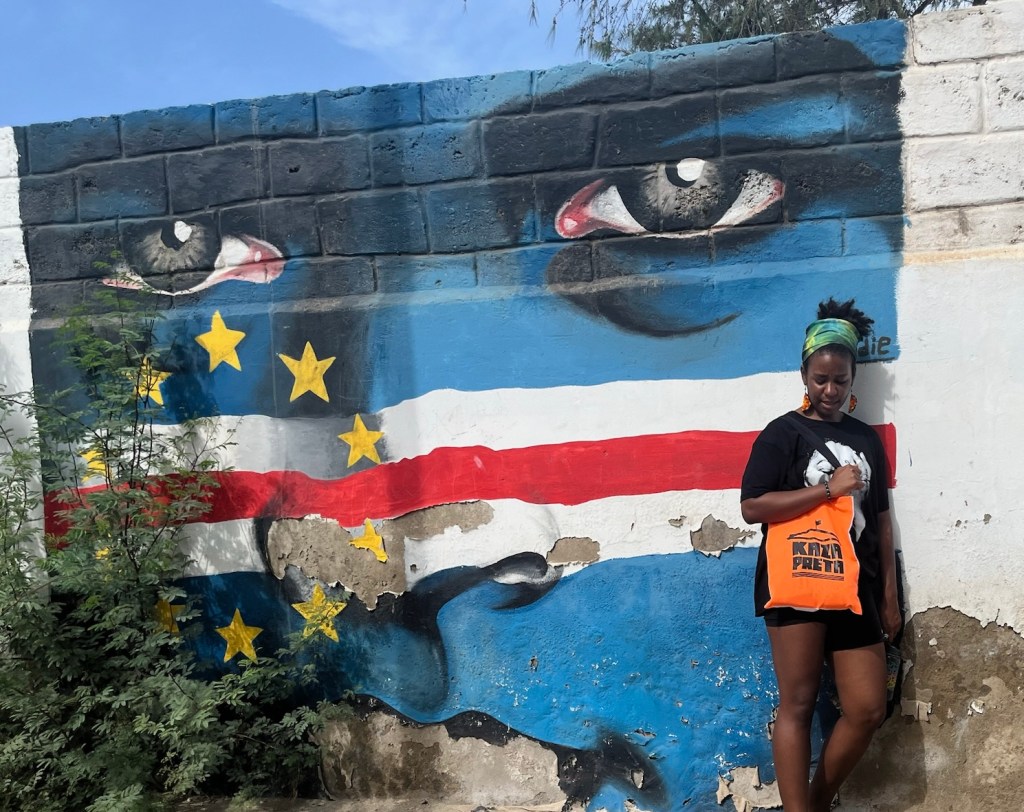
However, within a matter of days, everything changed. I went from being filled with hope and excitement about what might unfold from this beautiful homecoming to feeling rejected and lost beyond words.
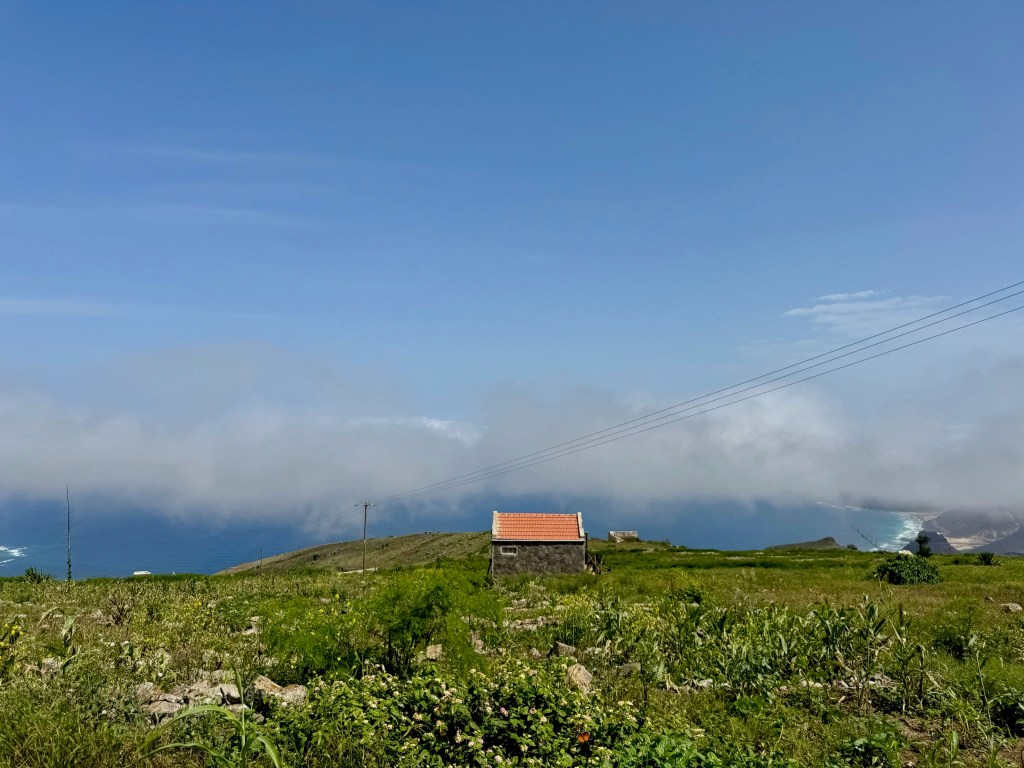
The shift started about three days in, when I tried to sign up at a local gym. The owner asked me where I was from and I told him my mom was Cape Verdean.
“Does your mom speak Kriolu?” he immediately asked.
“No,” I answered.
“Was she born in the islands?”
“No.”
“Then she isn’t Cape Verdean. Which means you’re not Cape Verdean. You are American.”
“Yes, but I am ancestrally Cape Verdean, our family is from the islands. I am of Cape Verdean descent,” I rebutted.
“No. You are not. You don’t speak the language, you don’t know the culture, you don’t even know the names of our food. You are not from here. You can’t call yourself Cape Verdean, you know nothing about us.” I fought back tears as this man lectured me on my inability to claim any connection to Cabo Verde.
Sadly, the gym owner wasn’t the only one who said these things to me. Day after day, as I had interactions with street vendors and restaurant owners, bus and taxi drivers, one by one, when they asked me where I was from, and in my broken Kriolu I attempted to tell them “Ami é kabuverdiana,” they refuted my claim every. single. time.

________
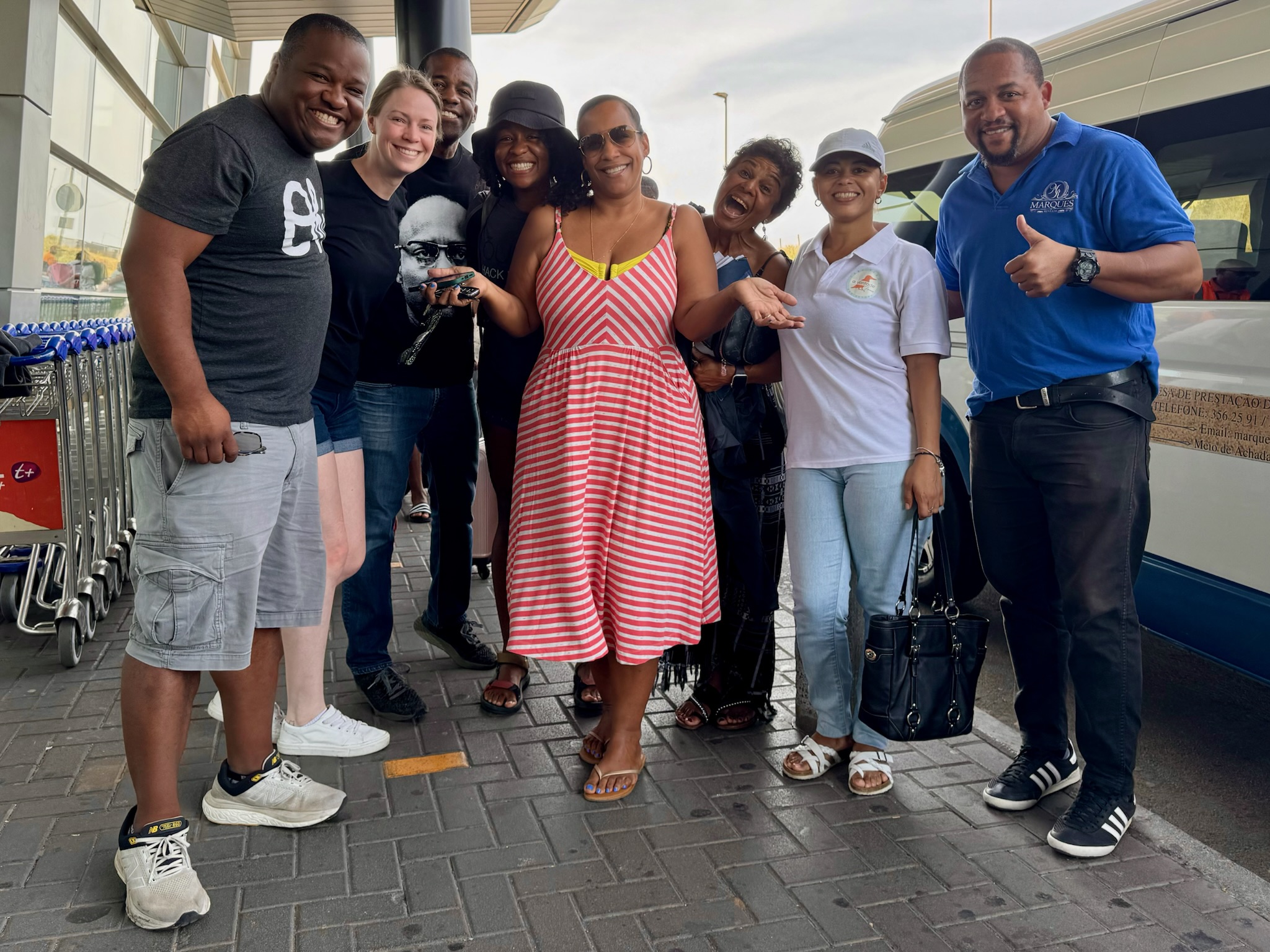

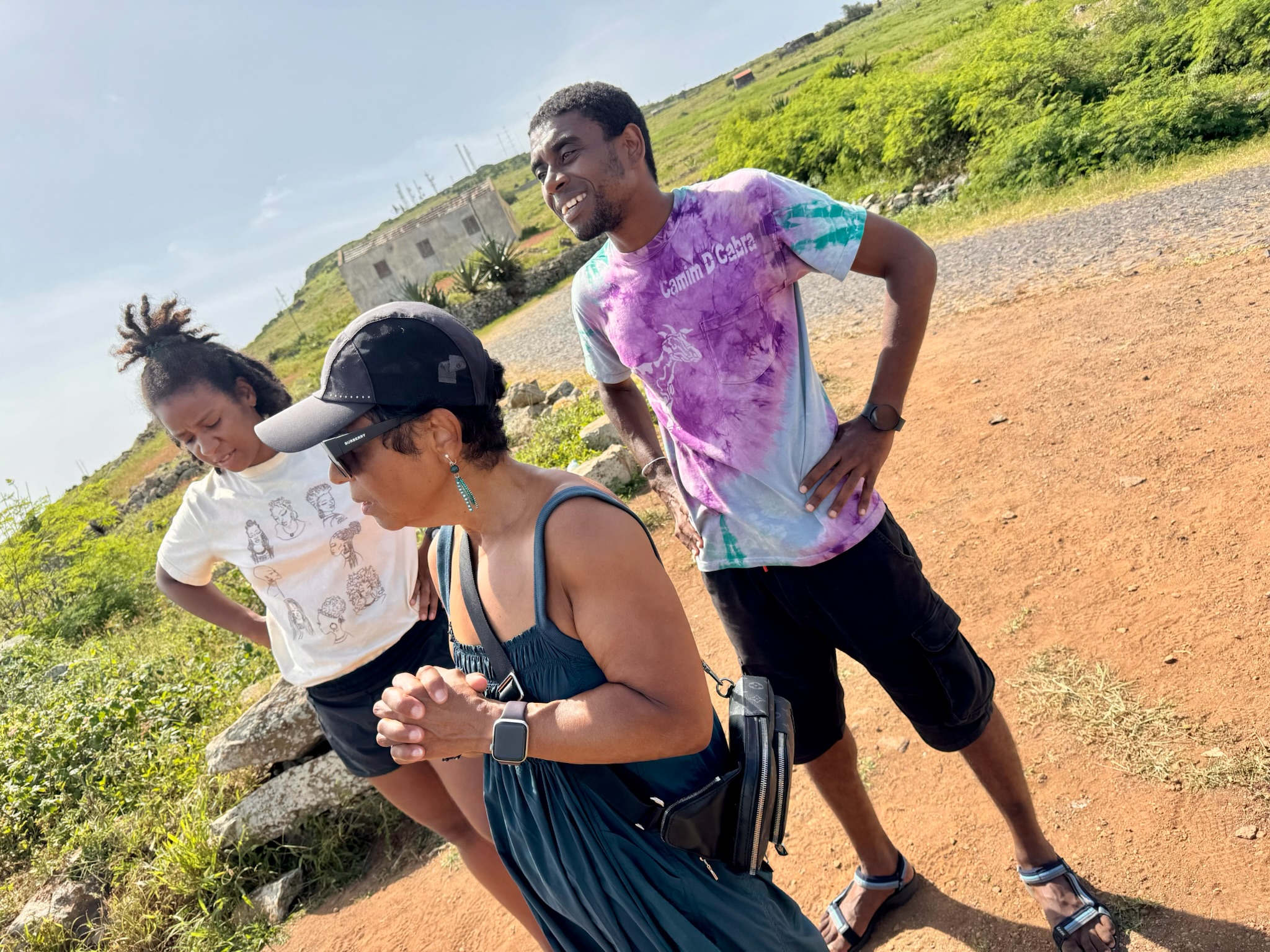
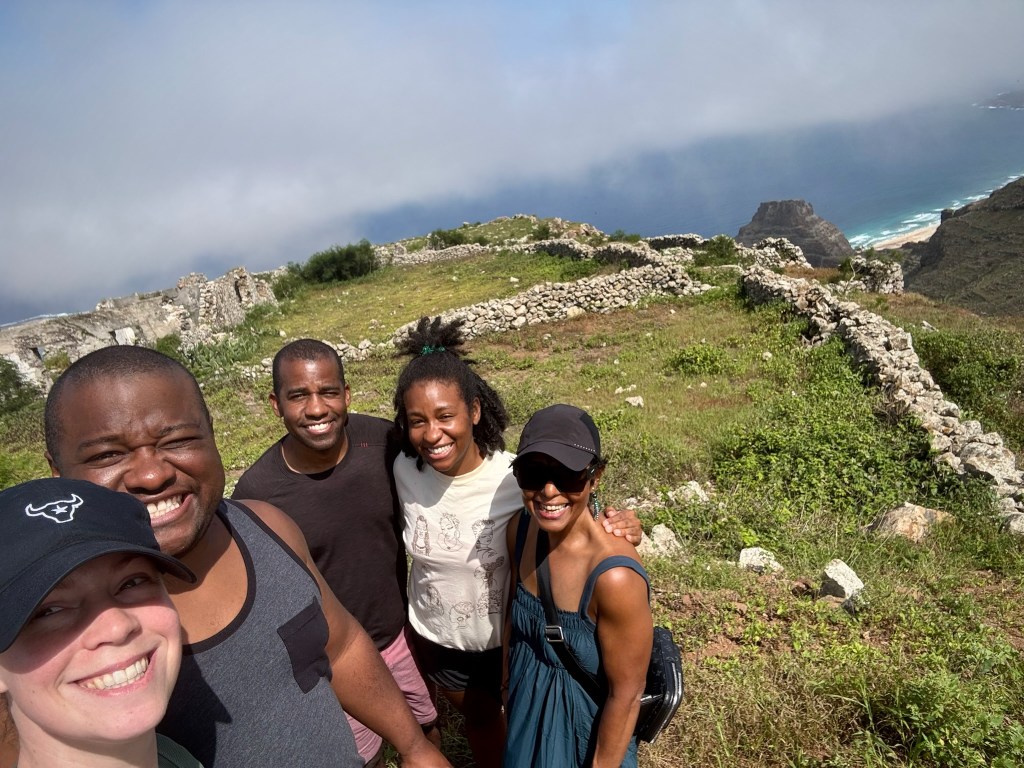
I was in Cabo Verde for a total of 24 days, almost a month. The first seven days I traveled with my family with the tour company A Vontade Tours, who did an incredible job scheduling tours for us to learn about the history, culture, food and traditions of the islands.
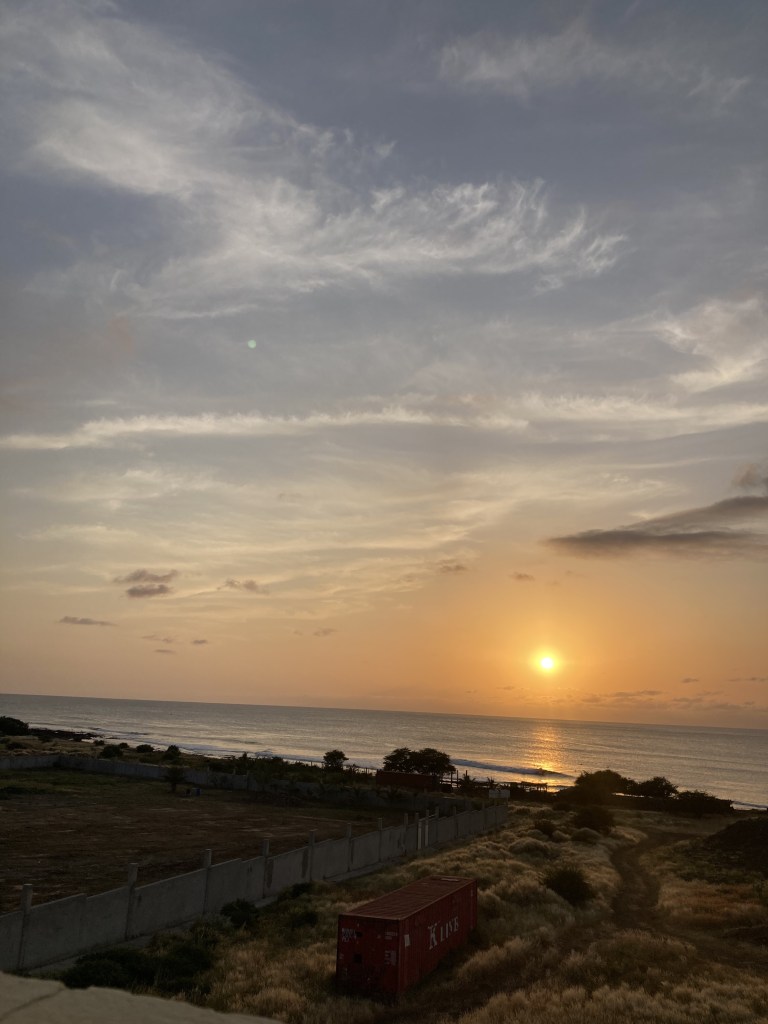
I came with the intention of extending my trip three and a half more weeks after my family left to see if traveling solo would allow me to connect with locals in more organic ways. I was hoping to have similar experiences to my travels in Colombia and Brasil where I was overwhelmed by experiences of warmth, welcome, and belonging.
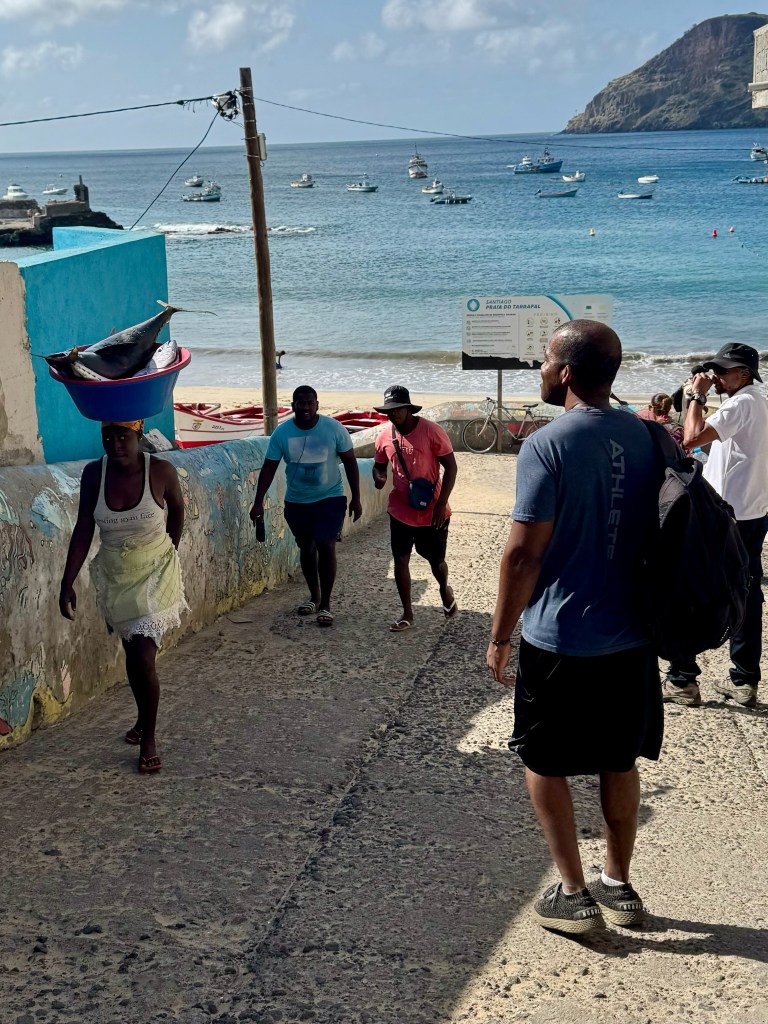
Unfortunately, the pervasive culture of island tourism made it very difficult for me to navigate my three weeks of solo traveling in Cabo Verde. People refused to see me as anything other than a tourist. I was constantly being sold tours, and when I rejected the offers and said I just wanted to wander around on my own, people were confused. They couldn’t understand why I would come to Cabo Verde if it wasn’t to hike the famous volcano on Fogo island or visit the stunning salt dunes with the Europeans. The locals couldn’t compute that I was here to find my roots and connect with my people: to find and feel home.

I had really hoped that within the span of one month, I would meet locals who would have compassion and share with me the culture and traditions of Cabo Verde.
I hoped that “my” people would see me and say, “Welcome home, dear one.”
I hoped to embrace and be embraced, to behold and be held.
But the reality was, the people of Cabo Verde didn’t owe me anything.
My search to find and feel at home was no one’s burden but my own.
_____________________________________________________________
It’s been hard to accept something that I perhaps always knew to be true: shared bloodlines and connection to land do not make a place or a people home.
But what happens after the falling out?
What happens when you arrive at the acceptance stage of grief?
What happens when the tears won’t stop streaming–a faucet with no handle–because your mind, body, and soul are beginning to accept and take in the bewilderingly painful truth that making a home in the places/people you so desperately longed to find home in is no longer possible?
What happens then?
Is it foolish to keep seeking?

I don’t know the answers to all of these questions, but I do know that home for me, as of March 1st, 2025, looks like the beautiful city of Cachoeira in the state of Bahia, Brasil.
This wasn’t in the original plan. 2025 was supposed to be me entering into my third year in Cali, Colombia. And yet, an unexpected visit to Brasil last year changed the trajectory.
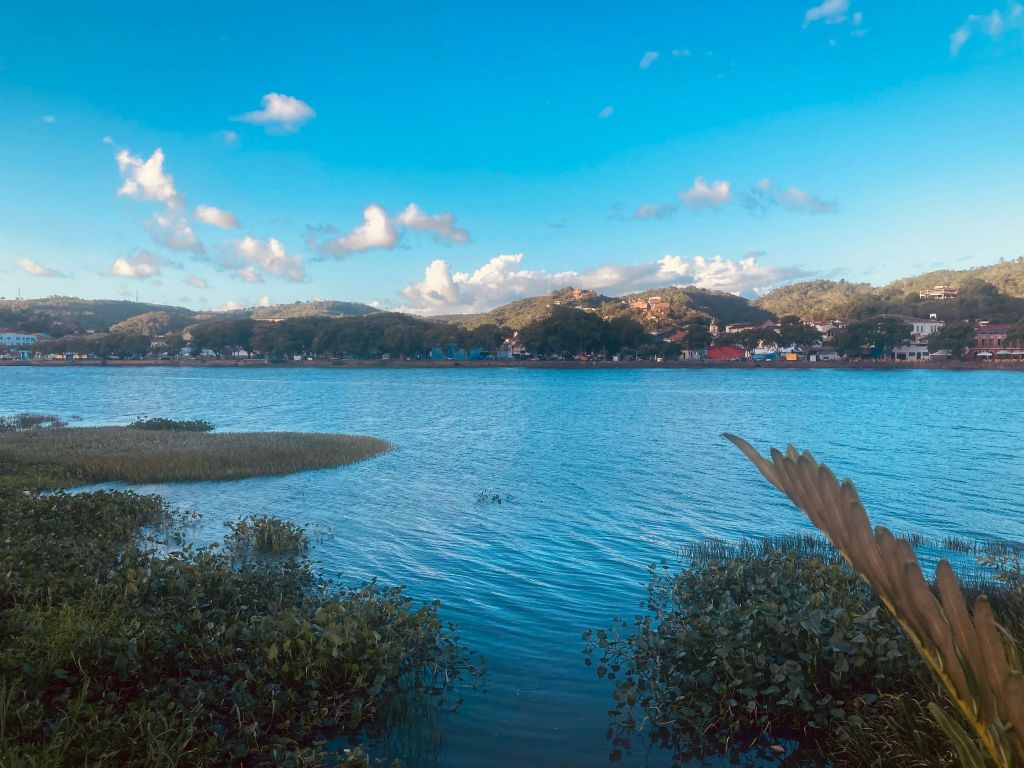
Cachoeira is a beautiful city full of black people that’s not too big, and not too small. It’s a city full of cotton candy sunsets and little kids riding up and down on the cobblestone roads on their bicycles. It’s a city that has brought me handmade wooden clothes racks by a man named Edson and home-cooked meals of Comida Baiana by a woman named Rita.
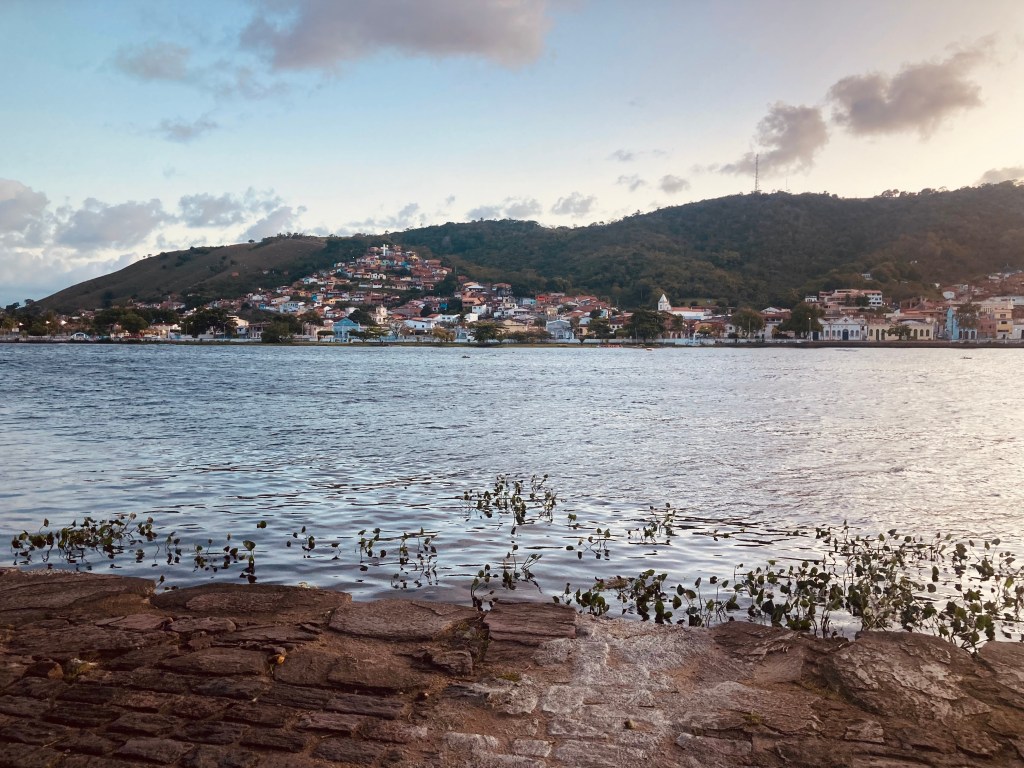
“Deus abençoe, minha filha,” the senhoras–the matriarchs of the neighborhood–say to me every time I pass, blessing me from their porch stoops as they call me daughter (minha filha).
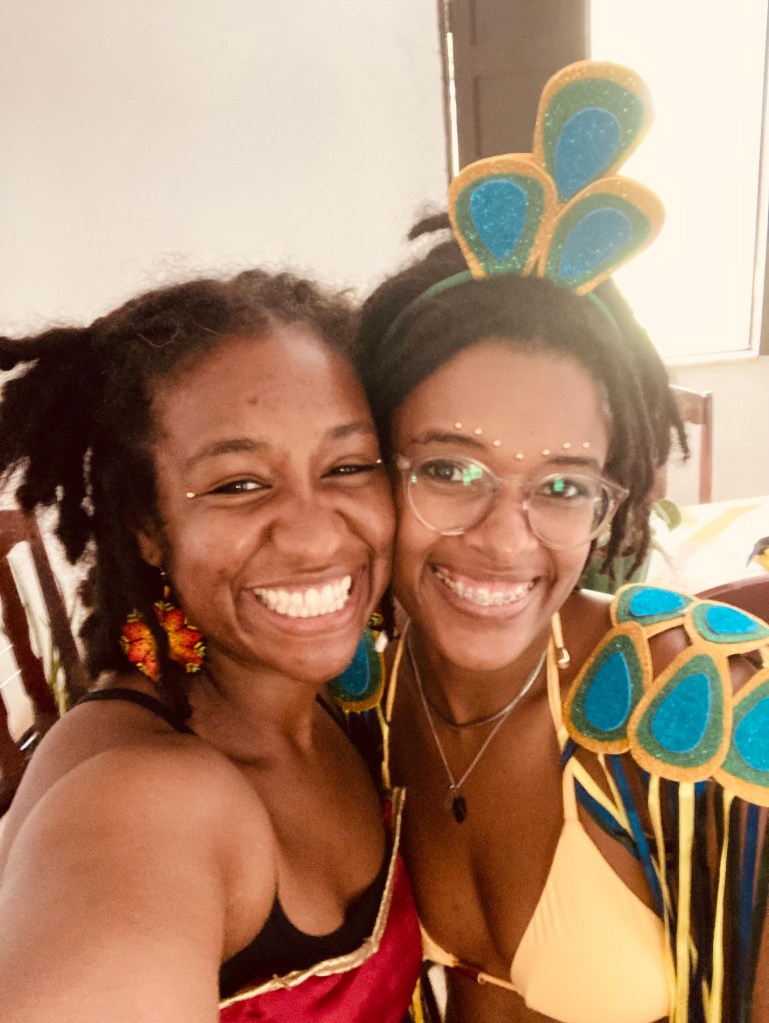
The way people have embraced and welcomed me here without hesitation has felt like the hug my heart and soul have needed for a while, so I’ve decided to stay.
_______________________________________________________________________
My trip to Cape Verde challenged me to accept that perhaps there’s no such thing as “home.”
Perhaps home is just a concept, a construction of hopes and desires. Kind of like those Lincoln Log Houses, where the logs we stack up on each other are our deepest longings and yearnings.
But even if home doesn’t really exist, even if it’s just a construct, I don’t think that makes the pursuit of home foolish. I actually think the opposite is true.

I may not have found home in Cape Verde, but I do not regret that my longing to find home brought me there. I do not regret that alongside the heartache and rejection, I also experienced beautiful memories with my family and learned so much about the history and traditions of Cabo Verde that I didn’t know before. I am grateful.

And I am grateful for the pursuit of home that has brought me here and now, to Cachoeira, Brasil.
I don’t know how long my time will be here, nor do I know what will unfold, but when my heart speaks, I’ve learned it’s best to listen.
So here’s to continuing the pursuit of home, not for the sake of finding it, but for the sake of what the pursuit will bring and teach me.


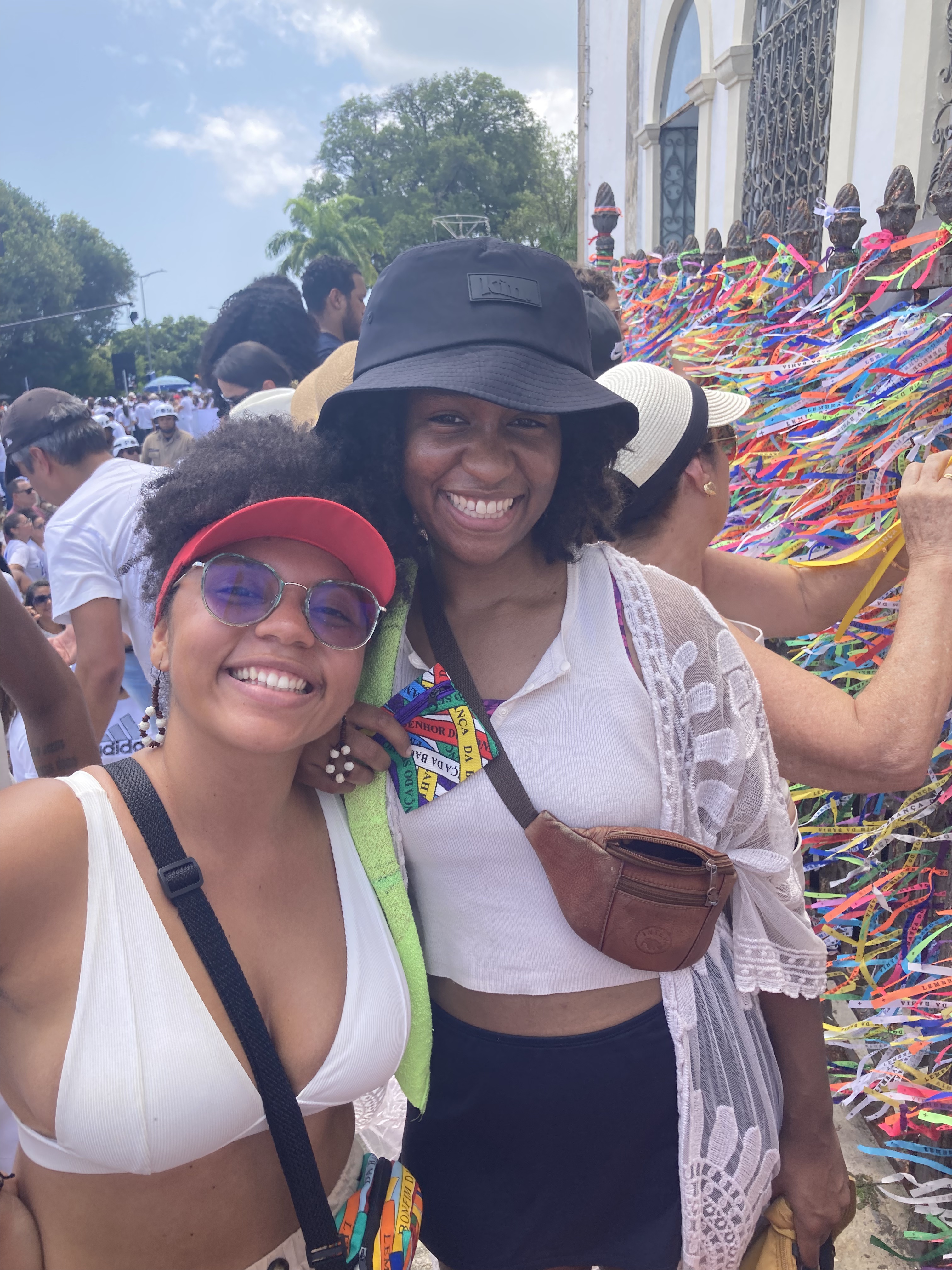
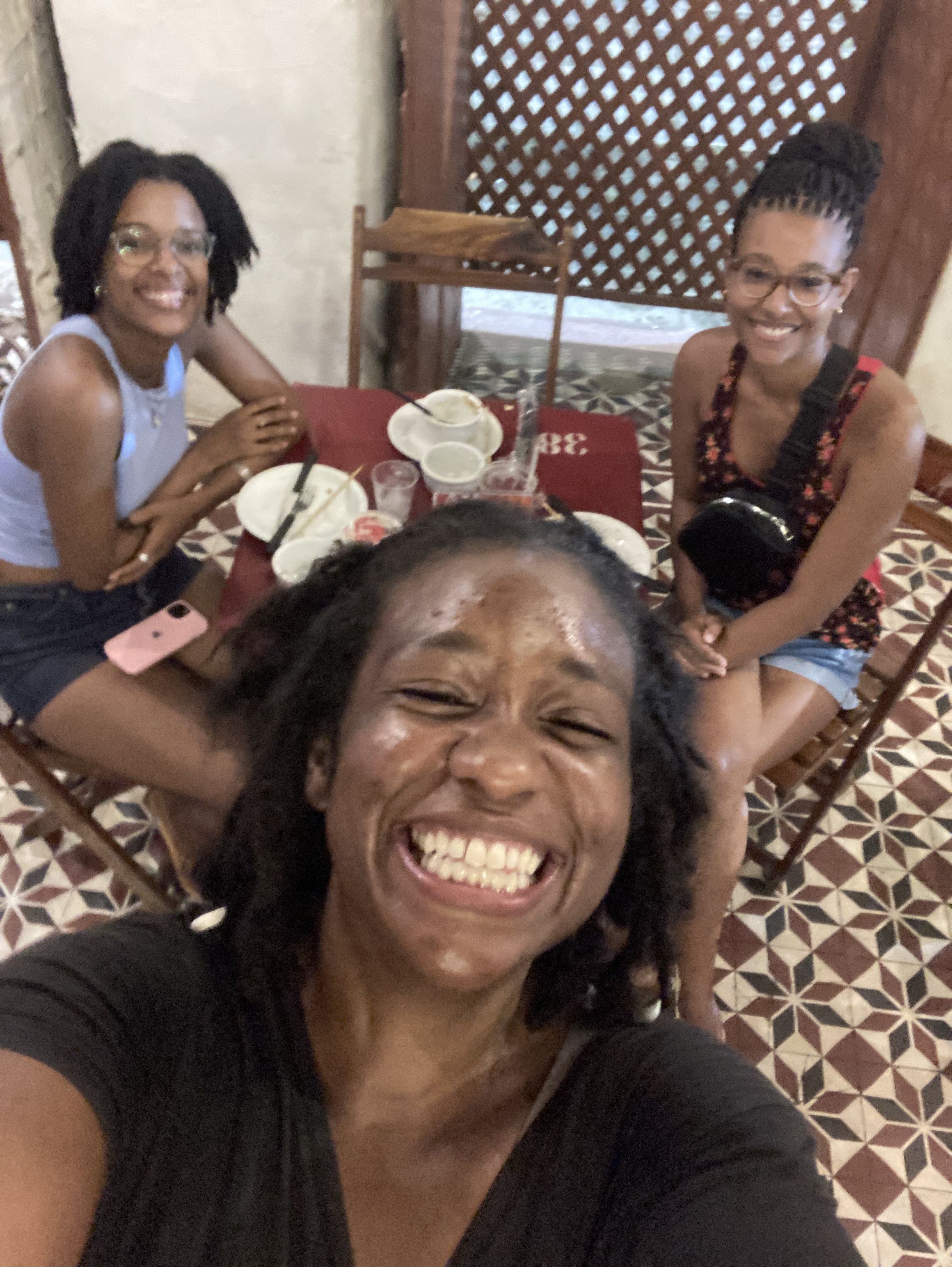
Photographic evidence of all the beautiful experiences and people this pursuit of home has brought me here in Brasil this year.
Questions to consider:
What is your relationship with home?
What does the word home mean to you?
What do you need for a place to be home?
 Purposefully Nia
Pingback: Hope Crucified | Purposefully Nia